What the butterfly tells us about biodiversity restoration
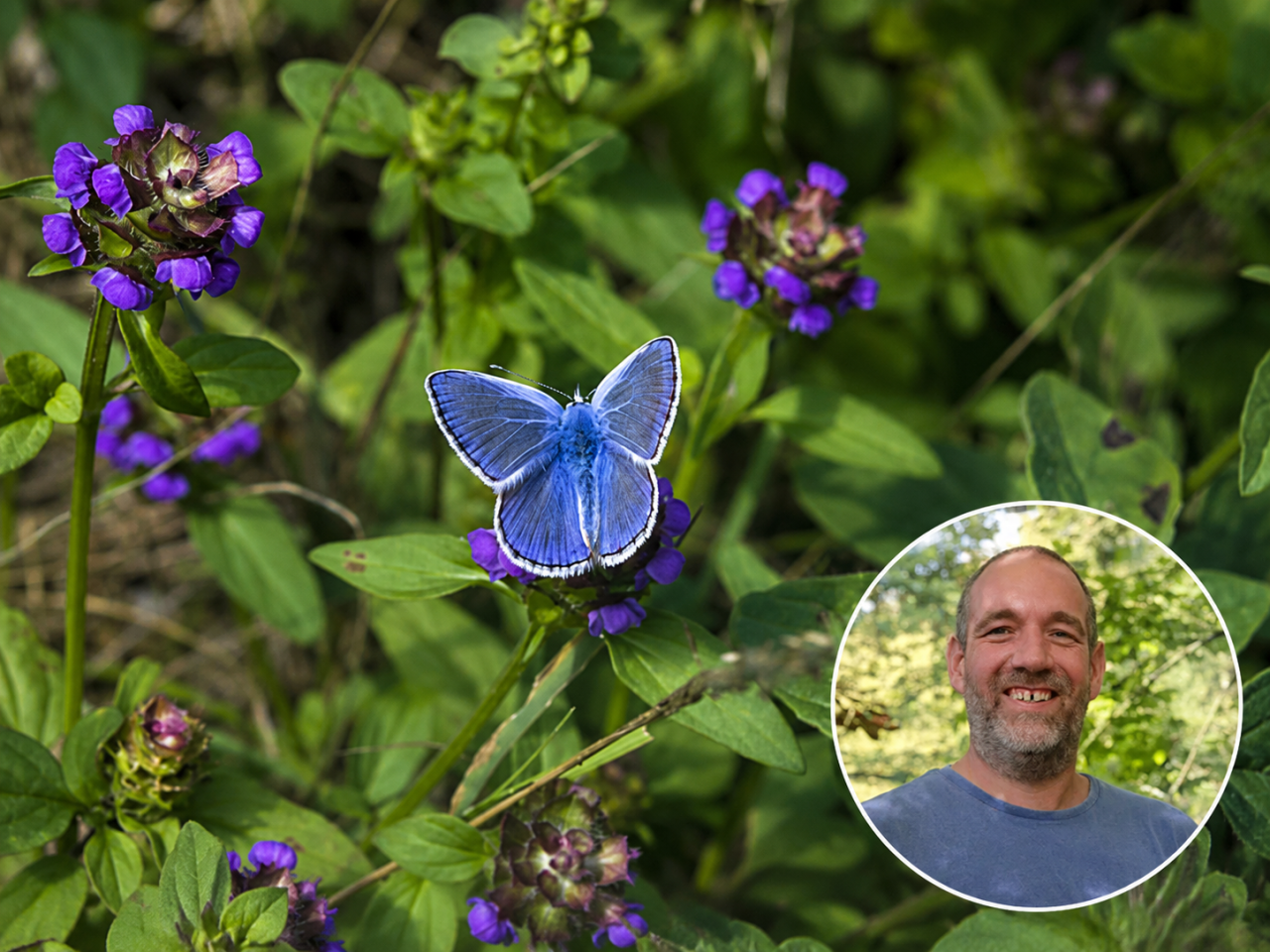
"We have lost 84% of our butterflies in a hundred years." That figure says it all. Where butterflies were once a natural part of the Dutch landscape, they have now become a rare sight for many people. Albert Vliegenthart, ecologist at De Vlinderstichting, has witnessed this development up close for years: "Two years ago, we had the lowest butterfly population ever."
According to him, the causes are complex: "There is not a single culprit, and there is also not a single solution." Nitrogen, climate change, pesticides, drought, and the loss of habitat reinforce each other. Many butterflies are also dependent on specific native plants to survive. When those disappear, so do the butterflies that depend on them. As a result, not only are butterflies under pressure, but the entire ecosystem loses resilience. In this interview, he explains why nitrogen is an underestimated problem, why native planting and biodiversity restoration are inextricably linked, and how cooperation between governments, land managers, infrastructure parties, and the built environment can contribute to a stronger, greener connection between city and landscape.
The effect of nitrogen on the butterfly population
In discussions about biodiversity, attention often focuses on visible measures: more greenery, more flowers, or more trees. According to Vliegenthart, however, an important cause of the decline is still often underestimated: nitrogen. Nitrogen deposition changes soil chemistry. Essential minerals leach out and disappear from the plants that caterpillars depend on. "When a caterpillar needs to pupate, it needs a bit of copper and manganese. If those are no longer present in the plant, it simply cannot pupate." That is why he sees reducing nitrogen emissions as an important condition for recovery. As he puts it: "As long as that blanket of nitrogen keeps falling, those minerals will be released and leach away."
Native connections as the key to recovery
"In the city, the use of native species is important for those green connections," says Vliegenthart. Especially those links between habitats are becoming increasingly important due to growing urbanization. That is why not only nature organizations like De Vlinderstichting, but also infrastructure parties, developers, and builders play an important role. They determine how verges, business parks, residential areas, and public spaces are designed and managed. Awareness is at least as important as regulations. As Vliegenthart says: "You have to involve people in those processes." Especially by starting the conversation early about nature-inclusive choices and their added value.
Nature-inclusive building starts before the first stone
A lot of biodiversity gains are lost because ecology is only added at the end of a construction process. "What happens now is just putting up the building and then saying: oh yes, we still needed some greenery." According to Vliegenthart, nature-inclusive building starts much earlier, by taking existing nature as the starting point. "Start from the strength that is already present in nature." That requires a different way of looking: including biodiversity from the very beginning in the design. With the arrival of the European Nature Restoration Law, nature-inclusive action will hopefully become more standard to ultimately stop the decline of butterflies and bees.
Many developers, municipalities, managers, and contractors want to get started with this, but do not always have the ecological knowledge to make the right choices. That is why knowledge sharing and awareness are at least as important as regulations. To learn from choices, monitoring is essential. Only by following species and ecosystems over the long term does it become clear which measures actually contribute to biodiversity restoration. This is precisely where opportunities lie for cooperation between ecologists, knowledge organizations, and parties active in the built environment.
To better visualize the ecological value of nature-inclusive projects, Wildr wants to focus more on monitoring in the coming years. Not only to see which plants, insects, and other animal species develop, but also to make the impact of projects measurable. In addition, Wildr and De Vlinderstichting have expressed their intention to jointly inspire developers, builders, and other parties about biodiversity in the built environment. Especially now that many new construction projects are being prepared in the coming years, it is important to think about nature already in the first design and construction phases, for example because of the upcoming Nature Restoration Law, to review the approach so that less soil needs to be disturbed during a new construction project. The earlier biodiversity is included in the process, the greater the chance of habitats where insects, birds, and small mammals can sustainably benefit.
The future of biodiversity lies in systems thinking
The message from Albert Vliegenthart is clear: restoring butterflies requires more than sowing flowers or adding greenery to buildings. It requires ecosystem restoration, better connections between habitats, and a different way of designing, building, and managing.
Butterflies are an important indicator in this regard. "A butterfly has four life stages. It starts as an egg, then becomes a caterpillar, then it pupates, and then it becomes a butterfly." In each stage, the animal has different requirements for its environment. Precisely because butterflies respond quickly to changes, they are a valuable indicator of the quality of an ecosystem.
As he summarizes it himself: "Go for system restoration." Biodiversity restoration does not require a single solution, but a system in which soil, management, habitats, and connections reinforce each other. Native plants play a crucial role in this. Many butterflies lay their eggs only on specific plant species, because their caterpillars depend on them for food. By choosing a great diversity of native planting, more opportunities arise for butterflies, but also for other insects and small mammals. Ultimately, it is not just about more greenery, but about greenery that is part of a well-functioning ecosystem.

This website uses cookies. By using this website, you indicate that you agree to the use of cookies. Read more